
Traditional Rosary Beads
Traditional Rosary Beads
Traditional rosary beads are simple tools for prayer, carried quietly in pockets, purses, and bedside tables. They help many of us keep a steady rhythm of faith in the middle of work, family life, and all the small worries of the day.
When I think of traditional rosary beads, I do not think first of materials or colors. I think of the people I have seen praying with them: a grandmother on the couch with a blanket over her knees, a man in a parked car before work, a student walking around campus with a rosary hidden in a hoodie pocket. The beads are quiet, but the stories behind them are not.
My own first set of traditional rosary beads was given to me when I was a teenager. They were simple black beads with a silver crucifix. Nothing fancy at all. I remember fumbling with them during tough moments in high school, not even praying the whole rosary, just holding the crucifix or slowly moving from bead to bead. The prayers came slowly, and sometimes not at all, but the rosary itself reminded me that I was not alone.
 Let me look closer
Over time, I began to notice how traditional rosary beads fit naturally into daily routines. Some people leave them on a nightstand and reach for them before getting out of bed. Others keep them in the car and pray a decade while commuting. Parents sometimes keep a rosary in the kitchen drawer and pull it out when the house finally quiets down at night. The beads themselves are not magic; they just give our hands something steady to hold while the heart speaks to God.

What Makes Traditional Rosary Beads “Traditional”?
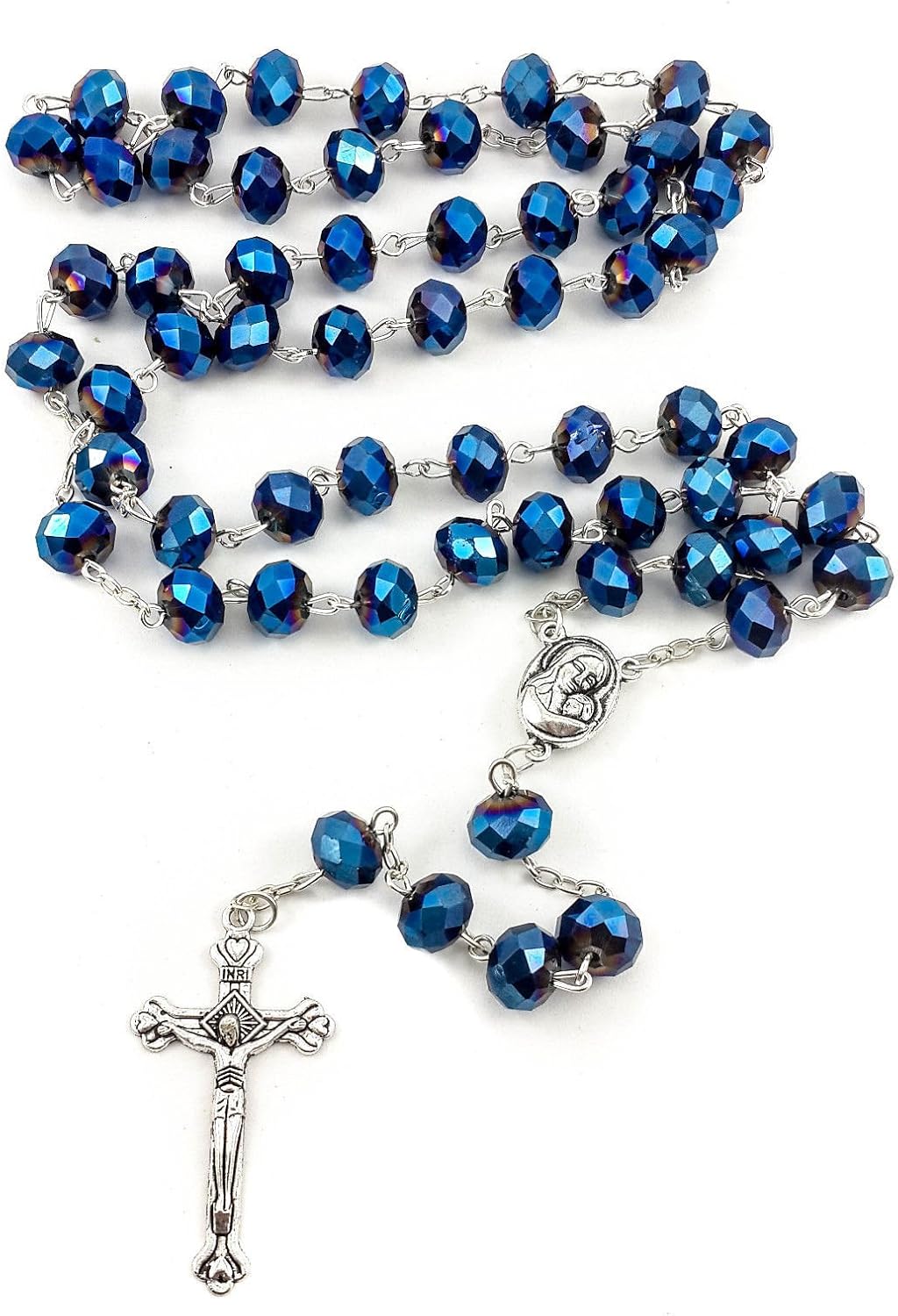
When people talk about traditional rosary beads, they usually mean a design that has stayed almost the same for generations: a crucifix, a centerpiece, and five sets of ten beads for the decades, separated by larger beads. Many of us grew up seeing this style in the hands of grandparents, in church booklets, or hanging from a rearview mirror.
The materials may change—wood, glass, metal, stone, or simple plastic—but the overall pattern is familiar. That familiarity can be a quiet comfort. You do not have to think about how to use it; your fingers learn the path quickly. On busy or stressful days, that gentle repetition can help the mind slow down just enough to remember that God is near, even if everything else feels scattered.
A traditional rosary is simple enough that it can be passed from one person to another without needing much explanation. I remember once giving a set of rosary beads to a friend who was going through a very heavy time. He was not used to praying the rosary regularly. I just said, “Here, keep this with you. If you want, start with a single decade.” Months later, he told me that sometimes he would fall asleep holding those same beads. That stayed with me.
The history of the holy rosary goes back many centuries, and traditional rosary beads are simply the physical expression of that long habit of prayer. For many American Catholics, they are almost like a family heirloom even when they are newly made.
How Traditional Rosary Beads Fit into Daily Life
Traditional rosary beads are not meant only for special occasions. They are very much a day-to-day companion. Some people pray a full rosary every day. Others only manage a decade once in a while. Some days the prayers are focused and peaceful; other days the mind wanders. The beads are patient through all of that.
In my own life, I often use traditional rosary beads in small, unspectacular moments. On a walk during my lunch break, I might quietly pray a decade. When I am restless before an appointment or waiting in the car for someone, I might simply hold the crucifix and whisper an Our Father. At night, if my thoughts are racing, I sometimes grab the rosary on my nightstand and slowly move from bead to bead until I feel calm enough to rest.
Traditional rosary beads also find their way into family routines. Some families gather in the living room in the evening to pray together. The beads help keep everyone focused, especially restless children who like having something to hold. Other families may not be able to pray together every night but might keep a rosary near the TV or on a shelf, and pick it up during quieter evenings, or when a relative is sick, or when someone is traveling.
In parish life, you might see traditional rosary beads before Mass, in adoration chapels, or during funeral vigils. They show up whenever people feel the need to draw close to God in a steady, familiar way. There is something comforting about seeing another person holding a rosary, even across a church pew, knowing that they are quietly praying for something or someone dear to them.
Carrying Rosary Beads with You
Many Catholics like to keep their traditional rosary beads close throughout the day. Some keep a small pocket rosary or a durable set in their coat or jeans pocket. Others keep one in a purse, backpack, or work bag. For those who commute, the car can become a little chapel on wheels. The rosary resting near the gear shift or tucked in a console becomes a reminder that prayer is possible even between traffic lights.
I still remember a day when I had a difficult meeting ahead of me at work. I was sitting in the parking lot, feeling anxious. I reached for the rosary hanging from my rearview mirror, wrapped the beads around my fingers, and sat in silence for a moment. I did not even finish a decade. Yet that small pause, with the familiar feel of the beads in my hand, helped me walk into the building with a little more peace.

Choosing Traditional Rosary Beads for Different Moments
Because traditional rosary beads come in so many materials and styles, many people end up with more than one set over the years. Each one can quietly mark a season or intention in life. Some are sturdy for everyday use, others are more delicate and kept in a special place.
Simple Everyday Rosaries
For daily use, many people like rosaries that are strong, comfortable in the hand, and not too heavy. Wooden beads, knotted cord rosaries, or metal chains with smooth glass or acrylic beads all work well. These are the ones you slip into a pocket or keep in the car without worrying too much about scratches or wear.
My own “everyday” traditional rosary beads are a medium-brown wooden set with a simple crucifix. They have traveled with me through airports, hospital visits, early morning walks, and late-night drives. They are not the most beautiful rosary I own, but they are the one I reach for most often because they feel familiar and solid in my hand.
Think about where your rosary will live most of the time: at home, at work, in a backpack, or in your car. That can gently guide you toward something lightweight, sturdy, or perhaps a little more refined.

Rosaries for Special Intentions and Gifts
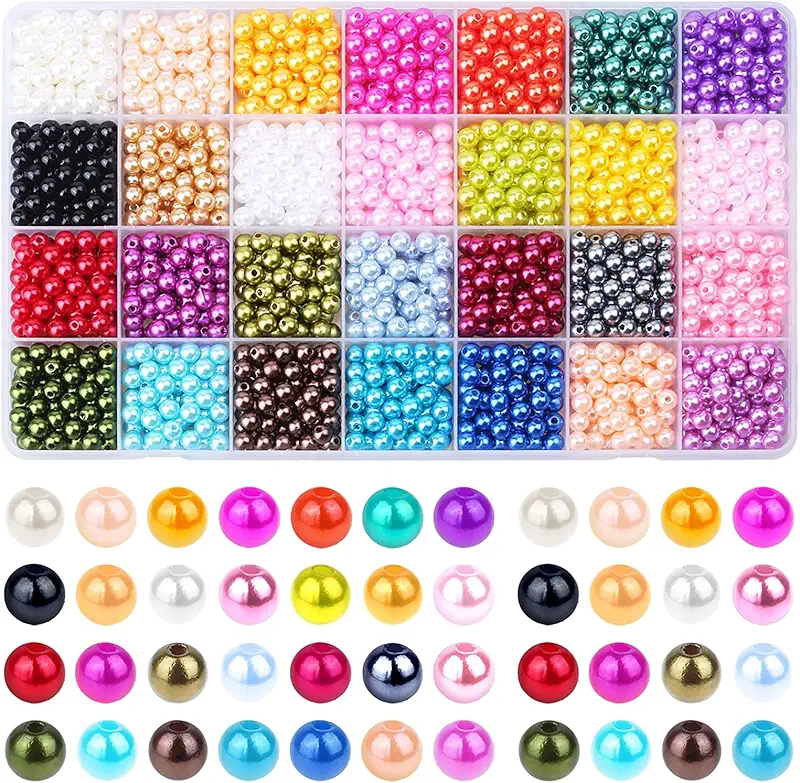
Other traditional rosary beads are chosen more for their beauty or symbolism. These might be given for a baptism, First Communion, confirmation, wedding, or religious anniversary. They could be made of crystal, mother of pearl, stone, or carefully crafted metals. Some have images of particular saints or Marian titles on the centerpiece.
When giving traditional rosary beads as a gift, many people like to connect the design with the person’s story. A carpenter might receive a wooden rosary. Someone who loves the ocean might appreciate blue or sea-colored beads. A person devoted to a particular saint might receive a rosary with that saint on the centerpiece. The rosary becomes a small, steady reminder that someone is praying for them.
I once received a set of traditional rosary beads from a friend after a very difficult year. They were not expensive, but the color and style were chosen with care. I still remember the feeling of holding them for the first time, knowing they had been picked with my situation in mind. Every time I use that rosary now, I quietly remember the kindness behind it.

Caring for Your Traditional Rosary Beads
Because traditional rosary beads are used with the hands and often carried around, they naturally show signs of wear over time. Beads may smooth out, metal may darken a bit, and cords may soften. Many people find this aging process beautiful, because it reflects real prayer and real life.
Still, some simple care helps them last longer. Keeping your rosary in a small pouch or case can protect it inside bags or pockets. Avoid leaving it in places with extreme heat, like directly on a car dashboard in summer. Wiping metal or glass beads gently with a soft cloth can remove oils from your hands. For wooden beads, a dry or slightly damp cloth is usually enough.
If a rosary breaks, that is not the end of its story. Some people repair them, either by restringing the beads or by asking someone who enjoys that kind of work. Others keep a broken rosary in a special place as a reminder of a particular season of life. If you decide to dispose of a damaged rosary, many Catholics prefer to do so respectfully, often by burying it or bringing it to a parish for guidance.

Over the years, I have watched my favorite traditional rosary beads slowly change. The crucifix is a little scratched, the chain slightly darkened, and one bead has a small chip. Instead of bothering me, those marks remind me of hospital waiting rooms, early morning walks, and late nights when I could not sleep. The rosary has been there with me, even when my prayer was imperfect and distracted.
Frequently Asked Questions about Traditional Rosary Beads
No, you can pray the rosary without beads by counting on your fingers or simply keeping track mentally. Traditional rosary beads are not required, but many people find that having something physical to hold helps them stay focused and calm, especially when they are tired or worried. The beads also create a familiar rhythm that can make it easier to return to prayer day after day.
There is no single material that is better than the rest. Wood, metal, glass, stone, and even simple plastic all have their place. What matters most is that the rosary is comfortable to hold and fits your daily life. For example, if you plan to keep it in a pocket or backpack, a sturdy, less delicate rosary might be more practical. If it will stay mostly at home or be used for special occasions, a more fragile or decorative design may be fine.
Many Catholics quietly give rosary beads to friends or family members who are facing illness, grief, or stress. It is a gentle way of saying, “I am praying for you” and “You are not alone.” You do not need to say very much when you give them. A simple, respectful gesture is often enough. The person can choose how and when to use the rosary, or even just keep it nearby as a reminder of support.
It is very common to feel unsure at first. You might begin with just a single decade instead of the full rosary. You can look up the prayers in a simple guide or use a small card to help you remember them. Some people like to pray while walking, sitting in a quiet corner, or even before bed. Do not worry about doing it perfectly. Holding the beads and sincerely turning your thoughts toward God, even briefly, is already a real step.
Yes, many Catholics have several rosaries gathered over the years—some received as gifts, others bought for specific moments in life. One may stay on the nightstand, another in the car, and another in a bag or at work. Each set can serve a different purpose: everyday prayer, travel, or special occasions. What matters is not the number of rosaries, but the quiet, sincere prayer you try to offer with them, even if it is imperfect or interrupted.
If you feel drawn to keep traditional rosary beads close in your daily life, you can take your time and choose a simple set that feels right in your hands and fits gently into your own rhythm of prayer.
I’ll browse quietly now