

When people talk about rosary making, it can sound like just another hobby. For many of us, though, it quietly becomes part of our prayer life. With Rosary Beads DIY, the beads are not just decorations, and the string is not just a craft supply. They turn into something we touch every day while we ask for strength, forgiveness, and peace.
Over time, I have made a few simple rosaries for myself and for family members. None of them are perfect. The beads are slightly uneven, and my knots are not always tight. But when I hold one of those homemade rosaries in my hand, I remember where I was sitting when I strung the beads, what I was worried about at the time, and how I tried to keep a quiet prayer in my heart with every small step.
Why handmade rosaries feel different
Store-bought rosaries are beautiful and often very sturdy. Still, something different happens when you slowly build one yourself. With Rosary Beads DIY, you spend time with each bead, placing it on the cord and shaping the spaces where your fingers will later move as you pray. That quiet time itself can be a kind of preparation for prayer.
Many Catholics I know keep more than one rosary: one that stays by the bed, one in the car, maybe one in a bag or on a desk at work. A handmade rosary can slip into any of these places. Because you have put it together yourself, you may feel a little more connected to it. Not in a dramatic way, just in a gentle sense of familiarity, like an old sweater you always reach for.
I remember one evening when I was making a simple cord rosary at the kitchen table. There were dishes in the sink and a long to-do list nearby. Still, for about half an hour, the only thing I focused on was counting ten beads, tying a knot, and thinking of people who needed prayer. That rosary later stayed in the car, and every time I picked it up in traffic or before a long drive, I could almost feel that quiet evening again.
Basic elements of Rosary Beads DIY
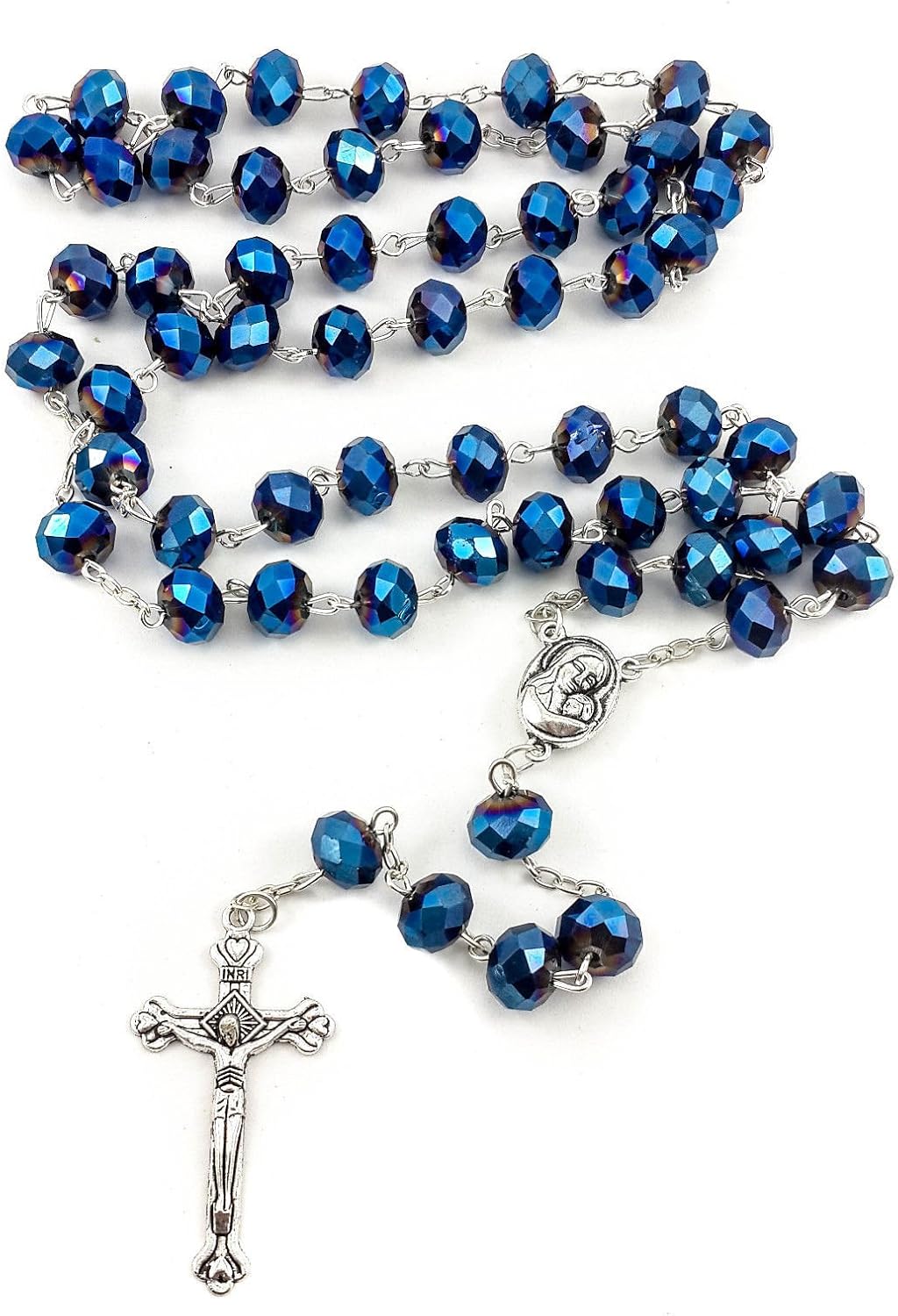
The rosary itself is very simple: a crucifix, a center, five groups of ten beads (the decades), and small beads in between. Making one at home does not require complex tools. Most people start with a few basic pieces:
- A crucifix that feels sturdy enough for daily use.
- A center medal, often with Mary on one side, sometimes a saint on the other.
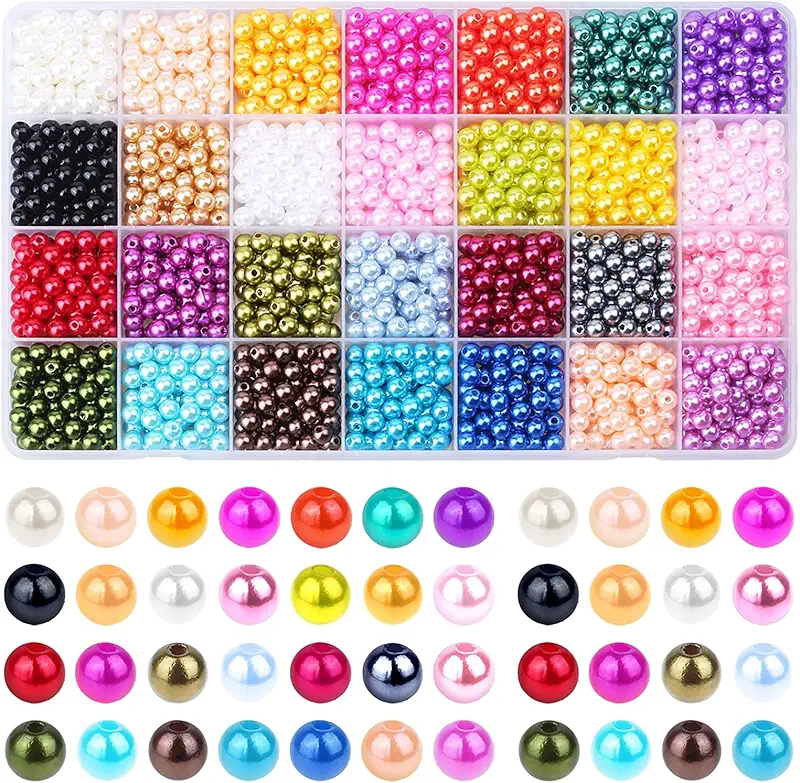
- Beads for the decades and for the Our Father beads.
- Cord, wire, or chain to hold everything together.
- Simple tools, like scissors, pliers, or a small bead board if you like to plan the layout.
Some people like wooden beads because they feel warm and natural in the hand. Others prefer glass or stone because of their weight and smoothness. With Rosary Beads DIY, there is room for different tastes and needs. What matters most is that the rosary is comfortable to hold and strong enough to last through constant use in pockets, bags, and hands.
How DIY rosary beads fit into daily Catholic life
A handmade rosary does not change the prayers we say, but it can gently shape how we approach them. When you know you built the rosary yourself, you might feel a bit more patient when you pick it up after a long day. It has already received a part of your time and attention even before the first Hail Mary.
Many families use Rosary Beads DIY projects as a quiet activity on Sunday afternoons or in the evening. Instead of turning on a screen, they gather around a table to string beads, tie knots, and choose colors for different family members. For children, helping to build a rosary can make prayer feel less distant. They can see that it involves their own fingers and creativity, not just words spoken quickly.
In my own home, there was a simple moment when this became real. A younger relative was having trouble sitting still during family prayer. One weekend, we set out some simple beads and cord and let them choose the colors. The next week, when it was time to pray, they ran to get “their” rosary and held it with pride. The prayer itself did not suddenly become perfect, but there was a new sense of ownership and calm that grew over time.

Choosing materials with intention
One of the quiet gifts of Rosary Beads DIY is learning to choose materials with intention instead of impulse. Not every bead needs to be special or expensive. Sometimes a simple wooden decade rosary keeps us more focused because it is light and unassuming. Other times, a heavier stone rosary helps us slow down because of its weight in our palm.
When thinking about materials, some Catholics like to match them to a particular purpose:
- A darker, sturdy rosary that can stay in the car and stand up to daily handling.
- A smaller, lighter rosary that fits easily in a pocket at work or school.
- A more decorative rosary reserved for prayer space at home or a nightstand.
- A child-friendly rosary with larger, easy-to-grip beads.
I once chose deep blue beads for a rosary I wanted to keep by my bed. I did not think much of it at first, but over time the color itself reminded me of the night and of bringing everything from the day to God before sleeping. It did not make my prayers more impressive, but it helped me remember to make them.

Praying while you build: a gentle approach
Not everyone feels comfortable turning a craft into a formal prayer time, and that is okay. Still, Rosary Beads DIY can naturally hold a sense of prayer if we let it. Some people like to say a short prayer before they begin, simply asking for a peaceful heart and for the person who will one day hold the rosary. Others quietly pray a Hail Mary or a short intention with each knot or each bead.
Personally, I often keep things simple. I might whisper a small intention at the beginning, especially if I am making a rosary for someone who is sick, struggling, or going through a big change. Then, while I work, I let the process itself stay quiet. The beads slide on, the knots tighten, and I trust that God sees that small offering of time and care, even if my thoughts wander.

Sharing handmade rosaries with others
Over time, Rosary Beads DIY can turn outward as well. Some people quietly make rosaries for their parish, a local nursing home, a hospital chaplain, or a youth group. Others simply give them as personal gifts on occasions like confirmations, anniversaries, or during tough seasons of life.
A handmade rosary can say, “I am praying for you,” without many words. It does not pressure, and it does not pretend to solve anything. It simply offers a tool for prayer, made with steady hands and, hopefully, a calm heart. Even if the person who receives it does not pray the rosary often, they might keep it on a nightstand or in a desk drawer as a small reminder that they are not alone.
Common approaches to Rosary Beads DIY
There are many ways to build a rosary, and each person slowly discovers what works best for their hands and schedule. Some prefer simple knotted cord rosaries, with no metal pieces at all. Others like chain rosaries, where each bead is linked with wire. There are also flexible wire rosaries that feel solid but are easier to assemble than full chain styles.
When I first tried Rosary Beads DIY, I started with nylon cord and plastic beads. The results were not elegant, but they were strong and forgiving. Later, I tried glass beads on beading wire, crimped at the ends to hold a small crucifix. That second attempt took longer, but it felt peaceful in a different way. I learned that it is okay to practice and that early attempts do not need to be perfect in order to be prayed with.

Living with a small “rosary corner” at home
Some households find it helpful to keep a small basket or box with rosary-making supplies in a quiet corner. It might hold extra beads, string, and a few crucifixes or medals. Then, when someone in the family feels restless or weighed down, they can sit for a while and slowly build or repair a rosary.
For me, having a little rosary corner has been a steady help. There were evenings when I did not have the energy for long conversations or heavy reading, but I could sit for twenty minutes and string beads. It gave my hands something gentle to do and gave my heart a way to lean toward God without many words.

Rosary Beads DIY – Questions & gentle answers
1. Do I need special skills to make my own rosary?
You do not need to be an artist or an expert crafter. Many people begin with very simple Rosary Beads DIY projects: a cord, basic beads, and a crucifix. The first rosary may look uneven, but it can still serve as a faithful companion in prayer. If your fingers can count ten beads and tie basic knots, you have enough to begin.
2. How long does it usually take to make a rosary?
It depends on the style. A basic knotted cord rosary with beads can sometimes be finished in less than an hour once you get used to it. A chain rosary with wire loops may take longer. Many people actually prefer not to rush; they set aside quiet time in the evening or on a Sunday afternoon and allow the process itself to be slow and peaceful.
3. Is a homemade rosary “good enough” for prayer?
Yes. The Church does not require a certain factory or brand for a rosary. What matters is that it clearly has the right structure and can withstand normal use. A homemade rosary may carry extra personal meaning simply because of the time and care you put into it, but it remains a humble tool, not an object of pride.
4. Can I involve children in Rosary Beads DIY?
Many families gently introduce children to rosary making with larger beads and sturdy cord. Younger kids can help choose colors and string beads, while adults tie the knots or attach the crucifix. It is usually best to keep the activity brief and calm, and to avoid placing heavy expectations on the child. Just letting them “own” a rosary they helped make can draw them a bit closer to prayer over time.
5. What if my rosary breaks or I make mistakes?
Rosaries wear out with use, and that is not a failure. It often means they have been held and prayed with. With Rosary Beads DIY, a break can become an invitation to sit down again, restring, repair, or start fresh. Many people keep a small envelope of extra beads and parts for this very reason. The process of fixing a rosary can become another quiet moment with God.