

What Orthodox Rosary Beads Are (And What They Are Not)
Orthodox Rosary Beads are usually a cord or chain with knots or beads, used to repeat short prayers with focus and reverence. In the Eastern Christian tradition they are often made of wool, wood, or other simple materials, sometimes with a cross or small tassel at the end. Catholics can use them as a way to pray the Jesus Prayer, simple invocations, or even to mark sets of Hail Marys or other devotions.
They are not magic objects and they do not work automatically. They are tools, like a favorite Bible or a worn prayer card. Their value comes from the prayer you bring to them, the attention of your heart, and the quiet space they help you make in your day.
Simple Ways Catholics Use Orthodox Rosary Beads
Many Catholics are discovering that prayer traditions from the Christian East can sit quietly beside the Western devotions we already know. Orthodox Rosary Beads can accompany:
- Short prayers between meetings or chores
- Quiet time before or after Mass or Adoration
- Evening walks or early morning commutes
- Moments of worry, fear, or restlessness
- Nighttime prayer when falling asleep is hard
Some people use each knot for the Jesus Prayer: “Lord Jesus Christ, Son of God, have mercy on me, a sinner.” Others keep it even simpler, quietly repeating the Holy Name of Jesus. There is a lot of freedom, and over time most people find a rhythm that feels honest and sustainable for them.
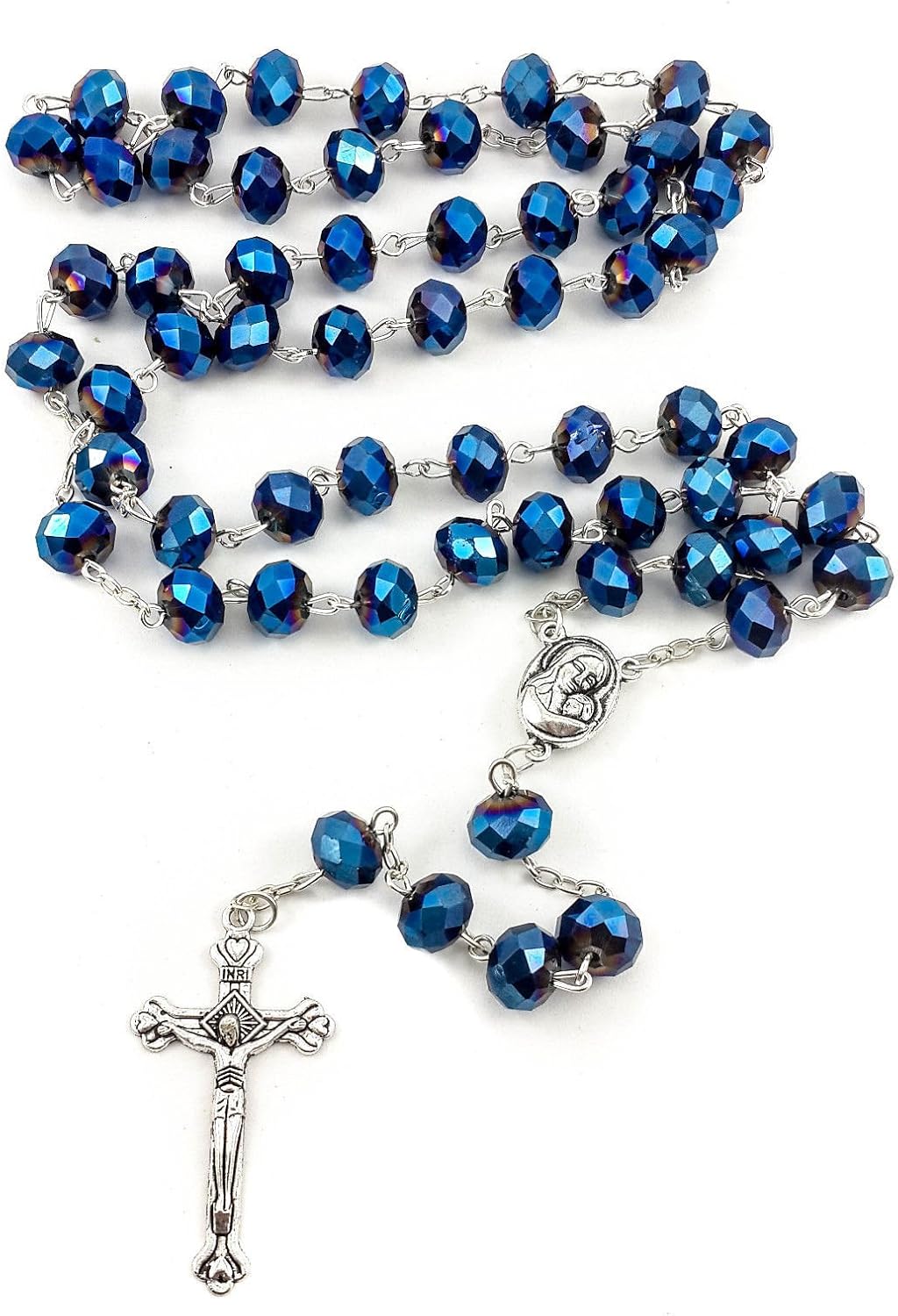
Choosing Orthodox Rosary Beads With Prayer in Mind
When I think about Orthodox Rosary Beads, I try not to focus on how they look first, but how they will live in my day. Will they stay in my pocket, rest on my nightstand, or hang on the rear-view mirror in the car (without becoming a distraction)? The answers to those questions shape the kind of beads that make sense.
A few things many people quietly consider:
- Material: Wool feels soft and warm. Wood feels solid and natural. Metal can feel cool and sturdy. Each has its own character.
- Size: Larger knots or beads are easy to feel without looking. Smaller ones are discreet and fit easily in a pocket.
- Color: Dark colors are simple, quiet, and less noticeable in public; lighter colors may feel gentle and peaceful at home.
- Cross or tassel: A small cross can remind you of Christ at every touch; a tassel can symbolize tears of repentance in Orthodox tradition.
None of these are requirements. They are simply details that can help these beads become a natural part of your life rather than an item that stays in a drawer.

Orthodox Rosary Beads in Everyday Catholic Life
Orthodox Rosary Beads do not replace the traditional Marian Rosary for Catholics. Instead, they can quietly sit alongside it, giving another way to pray when the heart needs something slightly different. On long drives, I often begin with a decade or two of the Rosary and then rest in the steady rhythm of a short Jesus Prayer on Orthodox-style beads.
In busy seasons, it can be hard to find a long stretch of time for prayer. When my children were younger, I sometimes kept a small prayer rope wrapped around my wrist while waiting in the school pick-up line. I would move one knot at a time, almost invisibly, asking the Lord for mercy over my family, our parish, and those who had recently asked for prayers.
Over time, Orthodox Rosary Beads can become familiar the way a favorite coffee mug or jacket does. You may associate them with early morning quiet on the couch, a short walk during lunch, or a slow evening moment before bed when the house finally grows quiet.

A Personal Experience With Orthodox Rosary Beads
One Lent, I decided to keep my traditional Rosary by my bedside and carry a small set of Orthodox Rosary Beads in my pocket during the day. My only “plan” was to touch one knot every time I felt anxious or impatient and quietly whisper, “Lord, have mercy.”
At first I forgot about it. A couple of days later, during a tough conversation at work, I felt the knots against my keys and simply held the rope in my pocket without even moving it. That gentle reminder helped me stay calmer and speak more carefully. Looking back, nothing on the outside changed, but I walked away feeling a little more grounded and less reactive.
By the end of Lent, I realized that the Orthodox Rosary Beads had quietly taught me to turn to God more often during the ordinary stresses of the day. They never felt like a task or a rule I had to keep, just a small invitation that was waiting whenever I had the freedom to say yes, even for a single breath.

Praying Slowly: Letting the Beads Set the Pace
Orthodox Rosary Beads naturally invite a slower pace. Unlike a digital screen or a schedule reminder, they do not rush or demand. You can move one bead or knot per breath, per phrase, or per small intention that comes to mind.
Some people like to:
- Inhale softly while thinking “Lord Jesus Christ,” and exhale with “have mercy on me.”
- Pause briefly at every tenth knot to remember someone specific by name.
- Use each knot to let go of a distraction or worry, handing it quietly to God.
There is no need to finish the whole rope in one sitting. You might pray five knots while waiting for the microwave, ten while the coffee brews, and a few more before turning off the light at night. Over time, you may notice that the beads gently draw your mind back to prayer even in the middle of everyday tasks.
Caring for Orthodox Rosary Beads With Respect
Because Orthodox Rosary Beads are used for prayer, many people choose to treat them with quiet respect. That does not mean they must be perfect or untouchable. In fact, a little wear and fraying can be a gentle reminder of the hours of prayer they have accompanied.
A few simple habits can help:
- Try not to toss them on the floor or leave them under heavy objects.
- If they get dirty, a soft cloth and gentle cleaning (depending on the material) is usually enough.
- Some people keep them near a crucifix or holy image when not in use.
- If they eventually break, many choose to bury or burn them respectfully rather than throw them in the trash.
These are not rules, simply ways to remember that these beads have been your companion in seeking the Lord, and to treat them accordingly.

Blending Orthodox Rosary Beads With Other Devotions
For Catholics, the heart of prayer is always Christ. Whether we use a Dominican Rosary, a chaplet of Divine Mercy, or Orthodox Rosary Beads, the goal is the same: to turn toward the Lord with trust and love, even when our emotions are dry or distracted.
You might find it helpful to:
- Begin with a traditional Rosary and end with a few minutes on Orthodox beads.
- Use Orthodox Rosary Beads for short prayers during the day and keep longer devotions for morning or evening.
- Offer one knot or bead for each person in your family, slowly, without hurry.
Over time, your devotions can weave together. There is room for both familiar Western prayers and the quiet, steady rhythm often associated with Orthodox Rosary Beads. What matters most is the honest movement of your heart toward God in the middle of your real life.
