
How to Make Rosary Beads
How to Make Rosary Beads
Learning how to make rosary beads is not only about crafting something beautiful with your hands. It is a slow, gentle way to pray, to remember the people you love, and to let faith quietly shape your days.

When I first wondered how to make rosary beads, I was not trying to start a hobby. I simply wanted a quiet project while a family member was going through a difficult time. Stringing each bead, one by one, gave me a calm space to pray for them without many words. Over time, I realized that making a rosary is itself a kind of gentle prayer, even before anyone ever prays with it.
The deeper meaning behind handmade rosaries
A rosary is simple: beads, a crucifix, and a pattern that repeats. But when you make one yourself, it slowly takes on the shape of the people and intentions on your heart. Every choice matters in a quiet way—the size of the beads, the feel of the cord, the weight of the crucifix in the hand.
Many Catholics who learn how to make rosary beads do it for very ordinary reasons. Some want a sturdier rosary for a child. Others want something more personal for a spouse or a friend. Some just need something steady to do with their hands during hard seasons. There is nothing dramatic about it; it is simply another way to let faith show up in daily life.
It can help to remember that the Holy Rosary is not about the beads themselves. The beads are only tools. Making them is a service, a quiet act of love. Once the rosary leaves your hands, it continues quietly in someone else’s pocket or beside their bed, often without you ever knowing.
Basic materials for making rosary beads
The materials you choose will depend on who the rosary is for and how it will be used. Some people prefer light rosaries that slip easily into a pocket, while others love a heavier feel that rests firmly in the hands.
Common components
- Beads (usually 6–8 mm for adults, smaller for children)
- Cord, wire, or chain links
- Crucifix
- Centerpiece (connecting the loop to the pendant section)
- Small jump rings or crimps (if using wire or chain)
For beginners, corded rosaries can be easier. Beading cord or nylon can be strong and simple to work with. Wire and chain rosaries can be very beautiful but require tools and a bit more patience as you learn.
Choosing beads with intention
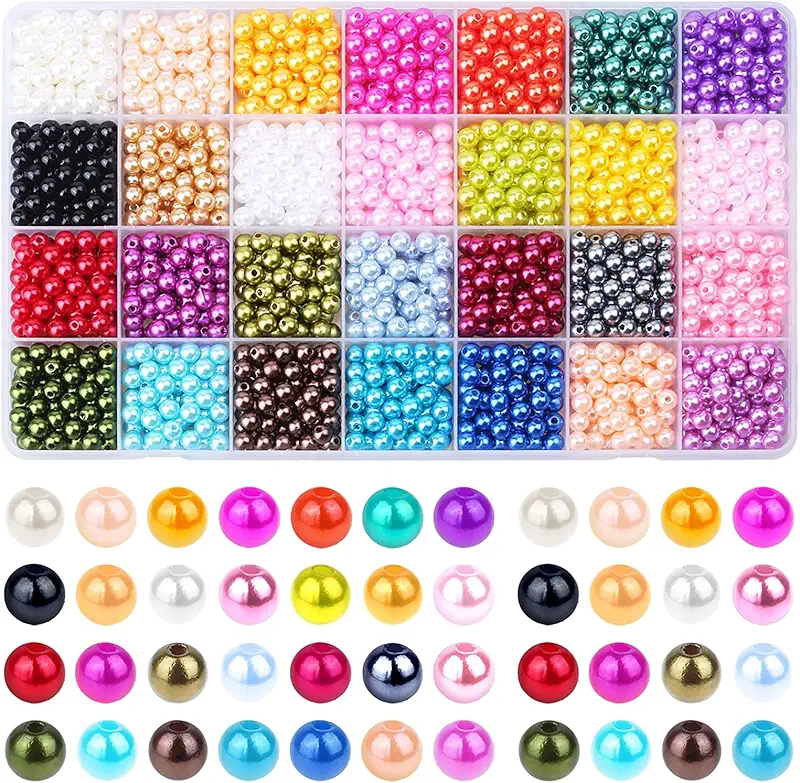
You do not need expensive materials. Wooden, glass, acrylic, or stone beads can all serve the same purpose. What matters most is that the beads feel comfortable in the fingers. Many people find that smoother beads slip more gently during prayer, which can help them stay focused.
Sometimes I choose simple wood beads when I am making a rosary for someone going through a rough time. Wood feels humble and steady in the hand. Other times I use slightly brighter colors when making a rosary for a young person, especially if they are just learning to pray with it.
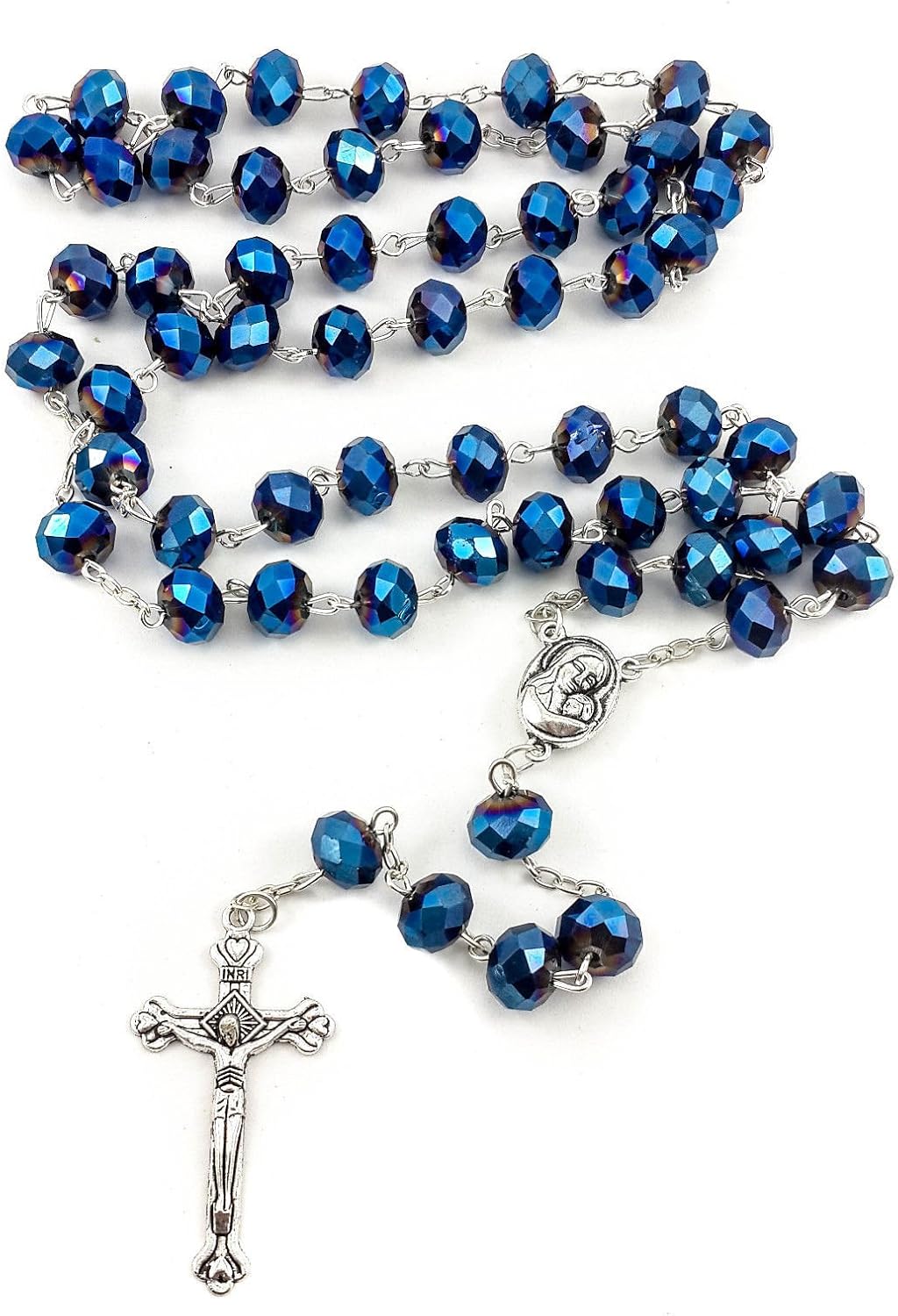
If you feel overwhelmed by choices, it may help to start with a simple set of materials that already match: beads, cord, and crucifix in the same tone. You can always explore more detailed designs later, after you have made one or two rosaries and understand what feels right in your hands.
Understanding the structure before you begin
Before you start thinking step-by-step about how to make rosary beads, it helps to picture the basic structure. A standard rosary has:
- A loop of five decades (10 beads each) separated by single beads
- A centerpiece where the loop connects
- A short pendant: one bead, three beads, one bead, and then the crucifix
You do not have to memorize every detail before you begin. Many people keep a finished rosary nearby as a guide, or even draw a simple sketch of the pattern. Taking the time to understand the layout keeps you from worrying about mistakes, so your attention can stay more peaceful.
When I first learned how to make rosary beads, I spent some time just counting the beads of an old rosary that belonged to my grandmother. I traced the pattern with my fingers and noticed how natural it felt. That quiet moment, sitting with her worn rosary, helped me realize that making one was simply joining a long line of ordinary Catholics who have done the same over generations.
Step-by-step: how to make rosary beads with cord
There are many ways to craft a rosary. This simple outline focuses on a corded rosary, which is a gentle starting point. You can adjust it to your own rhythm and style.
1. Prepare your space and intention
Before you begin, clear a small space at a table. Lay out your beads, cord, crucifix, and centerpiece where you can easily reach them. Some people like to light a small candle or keep a Bible or image of Mary nearby, not as decoration, but as a simple reminder of what the rosary is for.
You do not need to say long prayers. A short, honest thought like “Lord, be with whoever prays with this” is enough. The goal is not perfection, but a calm and willing heart.
2. Cut and prepare the cord
Cut a length of cord long enough for the full rosary plus some extra for knots. Many beginners find it safer to cut more than they think they need. Melting the tips slightly (if safe for your cord type) or tying a temporary knot at the ends can help keep the cord from fraying while you work.
3. String the pendant section
Start near one end of the cord with the crucifix. Tie a firm knot to hold it in place. Then string:
- One bead above the crucifix
- A small space or knot
- Three beads (often for Faith, Hope, and Charity)
- Another bead above those three
After this, you attach the centerpiece. This may require threading the cord through a small hole or loop. Take your time—this connection is important, as it joins the pendant to the main circle of beads.

4. Form the five decades
From the centerpiece, you will build the loop. The pattern is:
- One bead (Our Father bead)
- Ten beads (Hail Mary beads) – this is one decade
- Repeat this pattern five times
As you slide each bead onto the cord, you can quietly hold an intention, or simply breathe slowly and stay present. Some people like to pray part of the rosary as they string the beads; others just work in silence. Both are fine. The simple act of carefully placing each bead can already be a kind of prayer.
5. Close the loop and secure your knots
Once all five decades and their single spacer beads are strung, bring the cord back to the other side of the centerpiece. You may need to adjust the spacing, gently sliding beads so the circle is neither too tight nor too loose. Then tie a secure knot at the centerpiece connection.
Trim any extra cord carefully, testing the strength of your knots before cutting too close. Many people give the rosary a gentle tug at several places, just to be sure everything holds firmly. This small test is another quiet way of caring for the person who will pray with it.
Making rosary beads with wire or chain
If you feel comfortable with tools and small details, you may eventually want to learn how to make rosary beads using wire or chain. This style uses individual links for each bead, often with small loops at either end.
Compared to cord, wire and chain rosaries:
- Require pliers and sometimes cutters
- Take more time and concentration
- Can feel more traditional or “classic” in the hand
The pattern of beads remains the same; only the method of connecting them changes. With each bead, you form a loop, attach it to the previous bead, and close the loop. This can be slow work, but it allows you to pause often, which can actually deepen the sense of prayerful focus.

When I first shifted from cord to wire, I remember feeling clumsy and impatient. But after a while, the steady motion of opening and closing loops began to feel soothing. I found myself quietly naming my children as I finished each decade, without planning to. The rosary slowly became a kind of silent family list held together in one circle.
Letting your personal style stay simple
When you read about how to make rosary beads, you might see very ornate designs—many colors, elaborate medals, and extra details. There is nothing wrong with that, but you do not have to copy it. Simple designs are often easier for prayer, because they do not distract the eyes or fingers.
You can gently express your own style in small ways:
- Choosing a crucifix that quietly reflects your taste
- Using birthstone colors for a family member’s rosary
- Picking a calm color palette (for example, soft blues or natural wood tones)
- Making a slightly smaller rosary for pockets or travel

One of my favorite rosaries is not the prettiest one I have ever made. It has plain, dark wood beads and a small, simple crucifix. But it is the one I reached for during some long nights of worry. Because of that, it feels almost like an old friend in my hand. Its value has nothing to do with how it looks and everything to do with the prayers that have quietly passed through it.
Using the rosaries you make in daily life
Learning how to make rosary beads is only the beginning. The deeper part comes when these rosaries slowly enter everyday routines. They may sit on a nightstand, hang from a bedpost, rest in a pocket, or lie quietly on a dashboard.
Some gentle, ordinary ways people use the rosaries they make include:
- Praying a decade while walking the dog or during a short break
- Holding the crucifix while waiting in a hospital or doctor’s office
- Leaving a rosary beside a child’s bed as a quiet reminder of God’s presence
- Keeping one in a work bag for moments of stress or travel
I remember giving a homemade rosary to a friend who was going through a season of anxiety. I did not have any wise words, but I could hand them something simple: a circle of beads and a crucifix, made slowly with them in mind. Months later, they told me they kept it in the car and would hold it at red lights when they felt overwhelmed. That small image has stayed with me whenever I sit down to make another rosary.
Teaching others how to make rosary beads
Once you feel comfortable, you might quietly teach someone else how to make rosary beads. This does not have to be formal or complicated. A kitchen table, a few simple supplies, and some patience are enough.
Children, especially, often enjoy the hands-on part of threading beads. They may not understand every prayer yet, but they can understand that they are making something sacred for someone else. Guiding their hands one bead at a time can become a tender moment of shared faith.

You do not have to be an expert. Simply walking through the pattern slowly, counting together, and tying knots carefully can be enough. Often, the conversation that happens in between is just as important as the beads themselves.
Caring for handmade rosaries over time
Anything that is handled often will show wear. That is not a failure; it is a sign that the rosary is being used. Still, simple care can help a handmade rosary last longer.
- Keep rosaries away from harsh chemicals or strong cleaning sprays.
- Avoid leaving them in direct sunlight or extreme heat for long periods.
- Wipe beads gently with a soft cloth from time to time.
- Check cords or links now and then for signs of fraying or loosening.

Sometimes, a rosary breaks after many years. That can feel sad, especially if it has been with you through important moments. But even then, there can be peace in gently repairing it or using the beads to make a new one. In a way, the prayers that once flowed through it continue, just in another form.
Frequently asked questions about how to make rosary beads
1. Do I need special skills to make a rosary?
No special background is required. If you can count, tie simple knots, and handle small beads, you can learn how to make rosary beads. It may feel awkward at first, but patience matters more than talent. Many people start with very simple designs and slowly improve with each rosary they make.
2. How long does it usually take to make one rosary?
The time varies. A basic cord rosary might take an hour or two, especially once you know the pattern well. A wire or chain rosary can take longer, depending on how detailed it is. Some people like to spread the work over several evenings, treating it as a quiet project rather than something to rush.
3. Is it okay to make rosaries as gifts?
Yes, many Catholics make rosaries as gifts for family, friends, or parish events. Giving someone a handmade rosary can be a gentle way of saying, “I am praying for you,” without many words. The key is to offer it humbly, without pressure or expectations about how often it will be used.
4. What if I make a mistake while stringing the beads?
Mistakes are very common, especially when you are learning how to make rosary beads. If you discover that a decade has nine or eleven beads, or that you missed a spacer bead, you can quietly undo a section and fix it. It may feel tedious, but even the correction can be part of the prayerful process. No rosary is perfect, and small imperfections do not erase its value.
5. Can I use different colors or materials for different intentions?
Many people like to choose colors or materials that reflect a person or intention—for example, soft blue beads for someone devoted to Mary, or earth tones for someone who loves nature. You are free to be thoughtful in these choices. Just remember that the rosary’s heart is prayer, not decoration. Simple, well-chosen beads can serve just as well as more elaborate designs.